What is ATS Score and How to Fix a Low ATS Resume Score?
Updated: Jul 28

Ever applied for a job and heard nothing back, even though you were qualified? Chances are, your resume never reached a human. In today’s hiring landscape, most companies use Applicant Tracking Systems to filter resumes, and common ATS resume mistakes can drastically reduce your chances before the shortlisting even begins.
Your ATS score determines how well your resume matches a job description and whether it passes automated screening. Understanding how ATS works and how to fix a low ATS resume score is no longer optional. It is a critical step in making sure your application actually gets seen, reviewed, and considered by recruiters.
What is ATS Score: Meaning Explained Simply
The ATS score is a way resume screening systems measure how closely your resume matches a specific job description. In simple terms, it checks whether your resume uses the right keywords, skills, job titles, and structure. When people ask what an ATS score is or what the ATS score means, they are really asking how relevant their resume looks to the software.
A resume ATS score does not judge your intelligence, experience depth, or career potential. It only reflects alignment. Many job seekers see a low ATS resume score because their resume content does not mirror the language employers use. Understanding what an ATS score is helps you fix relevance gaps, not question your abilities.
What Does ATS Mean and How Does ATS Work in Resumes?
ATS stands for Applicant Tracking System, used by employers to manage and filter job applications. In resume terms, ATS scans documents, extracts data, and organises candidates by relevance. If you wonder what ATS mean or what ATS is, it is simply hiring software.
ATS works by parsing resumes into sections like skills, experience, and education. It then compares this data with the job description before any human review. ATS exists because recruiters receive hundreds of applications. Knowing what ATS is and how it works helps you write resumes that pass software screening first.
What Is a Good ATS Score for a Resume?
A good ATS score is one that shows strong relevance to the job description you applied for. There is no universal perfect score, despite what many online tools claim. If you ask what a good ATS score for a resume is, relevance matters more than numbers.
Many checker tools estimate scores differently from real ATS systems used by employers. Recruiters rarely see an exact score. They see ranked resumes instead. What is a good score on ATS depends on keyword alignment, role fit, and clarity. Chasing 100 per cent often distracts from meaningful optimisation.
Why Is Your ATS Resume Score Low?
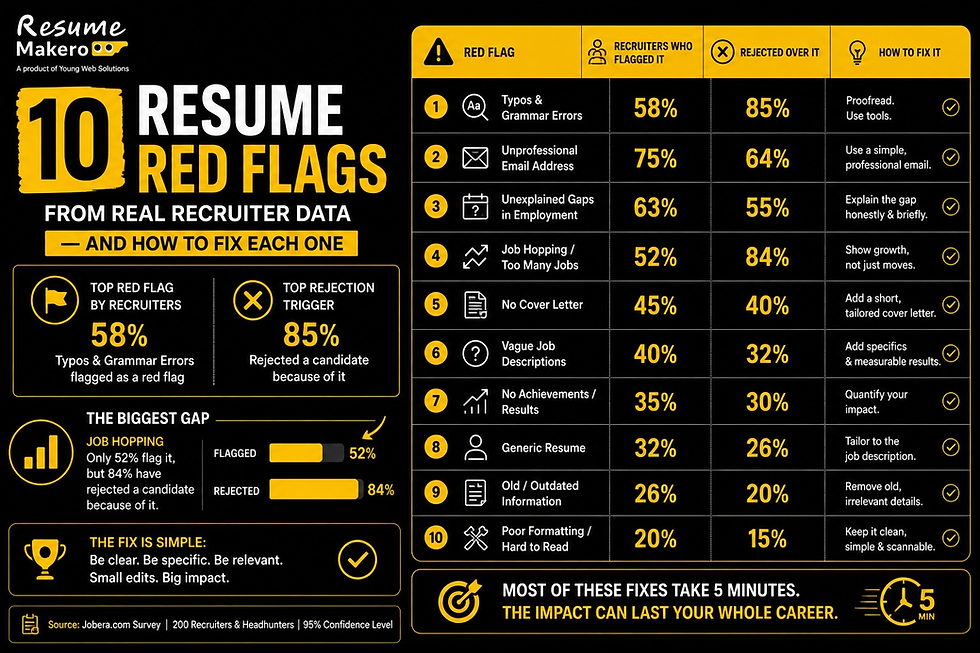
Most low ATS resume scores come from avoidable issues in content and structure. Common ATS resume mistakes include missing keywords, vague job titles, and inconsistent formatting. A low resume ATS score usually signals a mismatch, not poor experience.
Keyword mismatch happens when resumes use generic terms instead of role-specific language. Keyword stuffing can also reduce ATS resume score by harming readability. Formatting problems like tables, columns, or creative headings confuse parsing systems. An ATS-optimisedresume balances keywords, clarity, and clean structure.
How Do You Score High on ATS? Practical Fixes
You score high on ATS by aligning your resume closely with each job description. Start by identifying core skills, tools, and phrases employers repeat. If you ask how to get a high score on ATS, relevance is the answer.
Use a clear ATS-optimisedresume structure with standard headings and logical section order. Place key skills naturally within experience, not just skill lists. To get a good ATS score, prioritise clarity, consistency, and role-specific language across your resume content.
ATS-Optimised Resume vs Regular Resume: What’s the Difference?
An ATS-optimised resume focuses on software readability, while regular resumes often focus on visual appeal. Design-heavy resumes use graphics, columns, and icons that ATS cannot read properly. This directly affects the ATS resume score.
ATS-optimisedresumes use simple layouts, standard fonts, and clear headings. Regular resumes may look impressive, but fail automated screening. ATS optimisation matters most when applying online through job portals or company websites. Understanding what in ATS optimised resume helps you choose function over form.
How to Fix a Low ATS Resume Score: Action Plan
Fixing a low ATS resume score starts with improving keyword relevance across your resume. Compare your resume with the job description and close obvious gaps. If you want to know how to get a good ATS score, tailoring is essential.
Quick fixes include removing complex formatting and renaming non-standard headings. Structural fixes involve rewriting experience bullets to match role requirements. Tailor resumes for each application rather than mass applying. Tools can help apply ATS rules consistently, but strategy always comes first.
Conclusion
Understanding ATS scores helps you approach job applications strategically instead of emotionally. A low score does not define your capability or career value. It highlights misalignment between your resume and employer expectations. When you focus on relevance, structure, and clarity, ATS stops being a barrier. Treat your resume as a targeted document, not a static biography. Small, consistent improvements can significantly increase visibility and interview chances over time for candidates.
Want your resume to pass ATS filters and reach recruiters? Audit your resume today, fix keyword gaps, simplify formatting, and apply with confidence to roles that truly match your experience.
ATS score matters most during the initial screening stage. It determines whether your resume reaches a recruiter. Final hiring decisions rely on human evaluation of skills, experience, and fit. ATS helps filter, not decide careers.